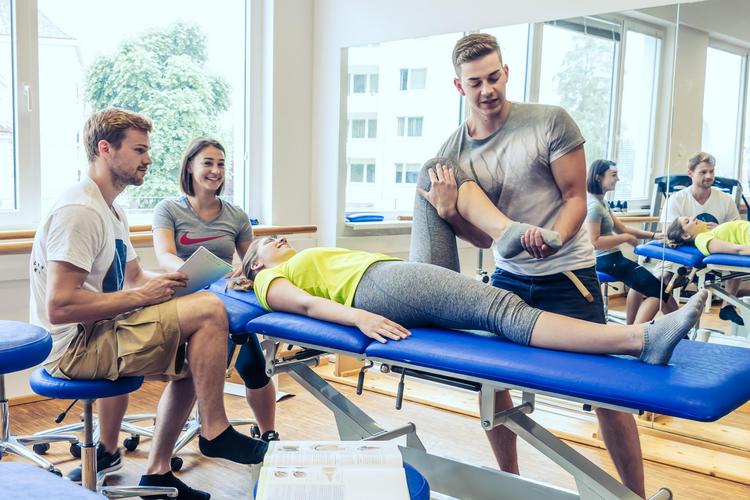
Physiotherapy: Your Path to Better Health.

In today’s fast-paced world, maintaining our physical health often takes a backseat to work, daily responsibilities, and the constant demands of life. Whether it’s sitting at a desk for hours, recovering from an injury, or managing chronic pain, many of us face physical challenges that impact our overall well-being. This is where physiotherapy comes in. A holistic approach to healthcare, physiotherapy not only helps manage pain and injury but also enhances mobility, prevents future injuries, and improves the quality of life. In this blog post, we’ll explore the many benefits of physiotherapy and why it should be an essential part of your wellness routine.
What is Physiotherapy?
Physiotherapy is a healthcare profession that focuses on diagnosing, treating, and preventing a wide variety of movement and physical conditions. Through manual therapy, exercise, and the use of various techniques like heat, ice, and ultrasound therapy, physiotherapists help individuals improve their mobility, alleviate pain, and strengthen their bodies. A physiotherapist works closely with patients to create personalized treatment plans based on their unique needs, addressing both acute and chronic conditions.
Key Benefits of Physiotherapy
- Pain Relief Without Medication
One of the most significant reasons individuals seek physiotherapy is for pain relief. Whether you are recovering from surgery, dealing with chronic pain, or experiencing discomfort from an injury, physiotherapists use specialized techniques to address the underlying cause of pain. Manual therapy, therapeutic exercises, and modalities like TENS (Transcutaneous Electrical Nerve Stimulation) and ultrasound therapy can reduce pain, inflammation, and muscle tension without relying on medications.
- Improved Movement and Flexibility
Stiffness and reduced flexibility can be caused by a range of factors, including injury, aging, or sedentary lifestyle habits. Physiotherapy helps to restore range of motion, joint flexibility, and mobility. Stretching exercises, strengthening routines, and posture correction are designed to improve your body’s ability to move freely. This is especially important as we age, as maintaining flexibility is key to preventing falls and injuries.
- Rehabilitation After Injury or Surgery
Injuries can limit your ability to perform everyday tasks and engage in physical activities. Physiotherapists play a vital role in rehabilitation, helping patients recover from surgeries such as joint replacements or ligament repairs. Post-injury, physiotherapists work to restore muscle strength, mobility, and endurance through targeted exercises and rehabilitation techniques. This reduces the risk of future complications and helps patients regain full functionality.
- Prevention of Future Injuries
Physiotherapists don’t just treat current issues—they also work to prevent future problems. Through biomechanical assessments and postural evaluations, they can identify areas of weakness or imbalance in your body. Physiotherapists then recommend corrective exercises to strengthen these areas and improve your posture, ultimately reducing the likelihood of recurring injuries. Athletes, in particular, benefit from injury prevention strategies tailored to the demands of their sport.
- Management of Chronic Conditions
Chronic conditions like arthritis, osteoporosis, and fibromyalgia can have a significant impact on daily life. Physiotherapy can help individuals manage these conditions more effectively. Through personalized exercise plans, physiotherapists can help you improve joint function, reduce pain, and build strength to support your body. For those with neurological conditions like Parkinson’s disease or stroke recovery, physiotherapy plays a crucial role in improving coordination, balance, and overall movement.
- Better Posture and Ergonomics
Poor posture, often resulting from hours of sitting at desks or hunching over devices, can lead to back pain, neck tension, and other musculoskeletal issues. Physiotherapists educate patients on proper posture and ergonomics, helping to reduce the strain on muscles and joints. They provide advice on how to arrange your workspace, how to sit and stand correctly, and how to avoid repetitive strain injuries.
The Physiotherapy Treatment Process
- Initial Assessment
When you visit a physiotherapist, the first step is a thorough assessment. This involves discussing your medical history, lifestyle, and symptoms, followed by a physical examination to assess your posture, movement, strength, and flexibility. The goal is to understand the root cause of your problem and develop a personalized treatment plan. - Personalized Treatment Plan
Based on the assessment, your physiotherapist will design a treatment plan tailored to your needs. This could involve specific exercises, manual therapy, or other modalities to address the underlying issues and promote healing. - Active Participation in Your Recovery
Physiotherapy requires active participation from the patient. This means following through with prescribed exercises, attending sessions regularly, and maintaining a healthy lifestyle. Physiotherapists often provide home exercise programs to ensure continued progress between appointments. - Ongoing Monitoring and Adjustments
As you progress, your physiotherapist will monitor your improvements and adjust the treatment plan as needed. They may incorporate new exercises or therapies to continually challenge your body and optimize recovery.
How to Maximize the Effectiveness of Physiotherapy
- Be Consistent
Consistency is key to the success of physiotherapy. Follow through with your exercises, attend your appointments, and make sure to adhere to the guidelines your physiotherapist provides. - Stay Patient
Recovery takes time, and while physiotherapy can bring relief, it’s important to stay patient and realistic about your progress. Everyone’s body heals at a different rate, and gradual improvement is normal. - Follow Your Physiotherapist’s Advice
Your physiotherapist will provide personalized recommendations based on your condition. Whether it’s lifestyle modifications, exercise regimens, or posture adjustments, following their guidance will help you achieve the best possible outcomes.
Conclusion
Physiotherapy is a powerful tool for individuals seeking to improve their health, recover from injury, and enhance overall well-being. Whether you’re managing a chronic condition, recovering from surgery, or simply striving to maintain an active lifestyle, physiotherapy offers numerous benefits that can help you achieve your goals. By working closely with a qualified physiotherapist, you can develop a personalized plan that addresses your unique needs, helping you return to full health and live pain-free.
If you’re struggling with pain or movement limitations, don’t wait for the problem to worsen. Reach out to a physiotherapist today and take the first step toward a healthier, more active life.