
The Missing Piece in MSK Recovery: Confidence
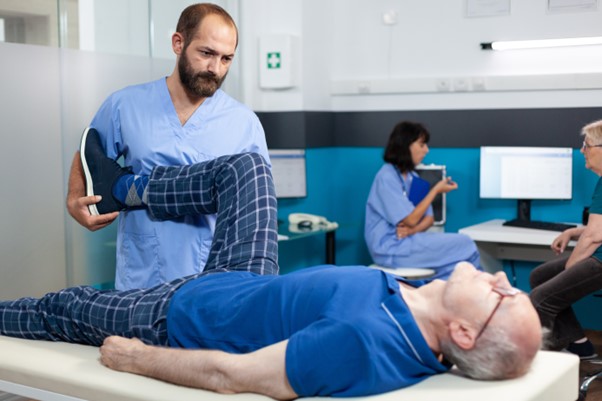
When we talk about musculoskeletal recovery, the conversation usually centres around pain, strength, mobility, and function. Those things matter, of course. They’re often the measures we use to judge progress, both as clinicians and as patients.
But over the years, I’ve become increasingly convinced that there’s another factor sitting quietly in the background, influencing recovery far more than we sometimes realise.
Confidence.
Not confidence in the motivational sense. Confidence in movement. Confidence in the body. Confidence that everyday activities are safe to do again.
For many people, the biggest barrier to recovery isn’t always the pain itself. It’s what the pain has led them to believe.
Most clinicians will recognise this immediately. We’ve all met patients whose physical recovery appears to be progressing well, yet something still seems to be holding them back. The person whose back pain has settled but who still avoids bending. The runner whose knee is getting stronger but who no longer trusts it on hills. The shoulder patient who has regained movement but hesitates every time they reach overhead.
What’s limiting them is often not capacity. It’s confidence.
Pain has a powerful way of changing behaviour. When symptoms persist, people naturally start paying closer attention to their body. They become more cautious. They avoid movements that feel uncomfortable. They stop doing activities they worry might make things worse.
In the short term, that’s completely understandable. In some situations, it’s even helpful. The problem arises when caution outlasts the reason for it. What begins as protection can gradually become avoidance, and avoidance has a habit of shrinking people’s lives.
This is where the research becomes interesting. Over the past two decades, a growing body of evidence has shown that fear of movement, low self-efficacy, and unhelpful beliefs about pain can influence disability and recovery across a wide range of musculoskeletal conditions. Put simply, recovery is not determined solely by what is happening in the tissues. It’s also influenced by what is happening in the person’s understanding of their condition.
That’s why communication matters so much.
A single consultation can change the direction of a recovery journey. Not because the clinician has performed a miracle intervention, but because they’ve helped someone make sense of what’s happening. They have answered questions, reduced uncertainty, and provided a realistic explanation that restores confidence rather than creating fear.
Good rehabilitation is often less about convincing people to exercise and more about helping them feel safe enough to move again.
This is one of the reasons early intervention can be so valuable. The longer uncertainty persists, the more opportunity there is for fear and avoidance to become established. Early conversations, clear explanations, and appropriate reassurance can prevent those beliefs from becoming barriers that take months to undo.
When rehabilitation works well, it does more than improve strength and mobility. It helps people reconnect with activities that matter to them. It helps them trust their body again. And perhaps most importantly, it gives them the confidence to participate in life without constantly worrying about what their symptoms might mean.
From a HealthPlus perspective, this is why movement-first care matters. We’re not simply helping people become stronger or more flexible. We’re helping them rebuild confidence in their ability to move, function, and live well.
Because when confidence returns, people move differently. And when people move differently, recovery often follows.
